
What Is Infertility? Causes, Diagnosis, and Treatment Options

- Understanding Infertility
- How Pregnancy Normally Happens
- Common Causes of Infertility
- How Do Fertility Specialists Find the Cause?
- What Are the Latest Infertility Treatment Options?
- When Should You See a Doctor About Infertility?
- Key Takeaways
- Frequently Asked Questions About Infertility
Infertility affects millions of people around the world. Many individuals or couples want to have children but struggle to become pregnant. Understanding infertility can help you know when to seek medical care and what treatment options are available.
This article explains what infertility is, the most common causes in men and women, and how doctors treat it.
Understanding Infertility
Infertility is usually defined as not becoming pregnant after one year of regular, unprotected sexual intercourse. But for women who are 35 years of age or older, doctors often recommend evaluation after six months of trying, not one year. This is because fertility naturally declines with age, so in a 35yr old, you are more likely to respond successfully to treatment that is started sooner rather than later.
It is important to recognize the different types of infertility:
Primary Infertility: A woman experiencing infertility who has never conceived or a man who has never fathered a child.
Secondary Infertility: When you have been pregnant or fathered a child before, but are now having difficulty.
Recurrent Pregnancy Loss: A woman who has a challenge carrying a pregnancy to birth.
Male Factor Infertility: When the infertility is due to your male partner’s factor. Male factor infertility occurs in anywhere from 10-40% of cases, either as a sole cause or a contributing factor.
Unexplained infertility: When tests fail to pinpoint a reason for the infertility. Thirty percent of infertile couples have no explanation.
Infertility is more common than many people think. According to the Centers for Disease Control and Prevention, about 8.5% percent of married women aged 15–49 in the US experience infertility.
It is important to understand that infertility is not only a woman’s issue. Fertility problems may involve the male partner, the female partner, both partners, or sometimes an unexplained cause.
How Pregnancy Normally Happens
For pregnancy to occur, several steps must happen successfully:
- A woman’s ovary releases an egg. This is called ovulation and typically occurs 10-14 days prior to menstruation.
- The sperm travels through the vagina, through the cervix, uterus, and fallopian tube to meet and fertilize the egg.
- The fertilized egg then travels back through the fallopian tube and implants into the uterus. This process usually takes about a week.
- The fertilized egg grows and develops into a baby.
If a problem happens during any of these steps, pregnancy may not occur, or may not occur healthily.
Common Causes of Infertility
Infertility can have many different causes. Sometimes there is a single cause, but often more than one factor may contribute. In some couples, doctors cannot identify a clear cause, which is called unexplained infertility.
Ovulation Problems
Ovulation disorders are one of the most common causes of infertility.
Ovulation is the process by which the ovary releases an egg each month. If ovulation does not happen regularly, it may be difficult to become pregnant.
A common condition that affects ovulation is polycystic ovary syndrome (PCOS). PCOS can cause irregular menstrual cycles, which means the ovary is not regularly and consistently releasing an egg. This makes pregnancy difficult, as there is no egg for the sperm to fertilize.
PCOS is one of the most common causes of abnormal ovulation, but it is not the sole cause. Other contributor such as thyroid dysfunction, medication side effects, stress, and other factors, can cause ovulatory dysfunction.
Problems With the Fallopian Tubes or Uterus
Damage or blockage in the fallopian tubes can prevent sperm from reaching the egg or prevent a fertilized egg from reaching the uterus.
Common causes include:
- Pelvic inflammatory disease (PID)
- Sexually transmitted infections such as chlamydia or gonorrhea
- Endometriosis
- Scar tissue from previous infections or surgery, also called pelvic adhesions.
These conditions can negatively impact the reproductive process, making it difficult to become pregnant.
Male Factor Infertility
Infertility can stem from factors related to your male partner. Such as problems with the sperm, erection or both. Male factor infertility may be the sole or contributing cause for many couples.
Common causes of male factor infertility include:
- Low sperm count occurs when there just aren’t enough sperm released to successfully complete the job of making it to the egg.
- Poor sperm movement- a sperm should swim in a forceful, forward motion. Anything else reduces the likelihood of successful fertilization.
- Abnormal sperm shape
- Blockages in the male reproductive tract may result from surgery, infection, inflammation, trauma, or other conditions.
- Hormone problems, such as issues with the thyroid, prolactin, or other hormones
- Genetic Factors such as cystic fibrosis.
- Erectile Dysfunction
The sperm is an essential factor in achieving pregnancy. If the sperm cannot reach the egg or is unable to penetrate it, fertilization and, therefore, pregnancy cannot occur.
Other Factors That Affect Fertility
Several additional factors can affect fertility in both men and women.
These include:
- Increasing age– fertility declines with age for both men and women.
- Hormonal disorders
- Smoking or tobacco use
- Obesity affects fertility in both men and women by causing hormonal disruptions and impaired response to treatment.
- Environmental exposures– toxins in the food we eat and the air we breathe are but a few of the factors that can negatively impact the reproductive process.
- Certain medical treatments, such as chemotherapy
It is possible that some of these factors are the true culprits behind a diagnosis of unexplained infertility. Unfortunately, there is no test that can pinpoint the exact cause with certainty. You and your doctor will discuss and determine what factors may be contributing to the issue, despite not having a definite diagnosis. This will help you determine where best to concentrate your efforts.
How Do Fertility Specialists Find the Cause?
To get answers, you may visit a Reproductive Endocrinology and Infertility (REI) specialist. These are doctors with extensive training in complex reproductive disorders. Common tests include:
- Hysterosalpingogram (HSG): A special X-ray is done while a dye is gently pushed inside the uterus. This assesses whether the fallopian tubes are open (patent) and whether the uterus is a normal shape.
- Semen Analysis: A lab test to check the health and quality of sperm.
- Blood Tests: These check hormone levels, such as prolactin, which can impact fertility if levels are too high.
What Are the Latest Infertility Treatment Options?
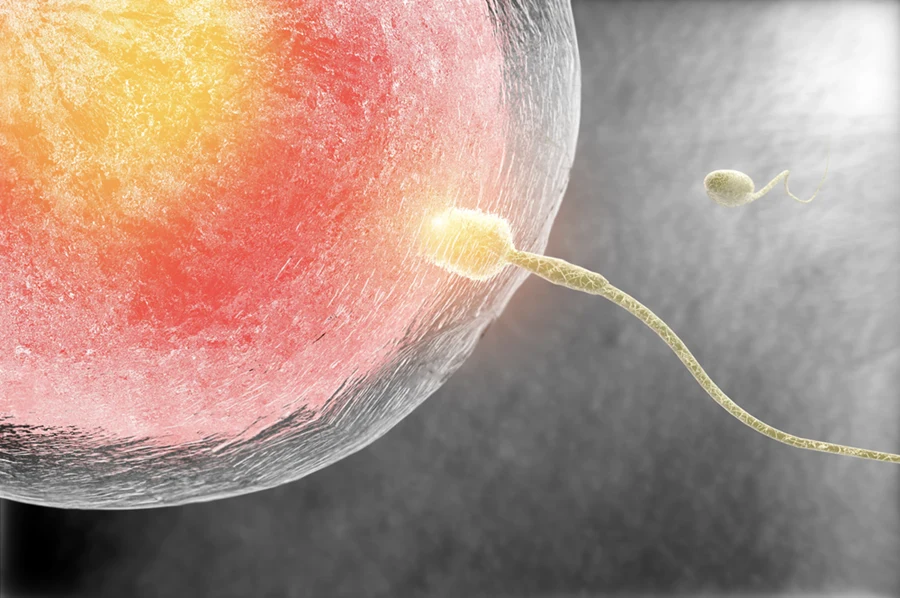
Natural Fertilization
Modern medicine, often called Assisted Reproductive Technology (ART), offers many ways to help build a family.
- Ovulation Induction: The female partner takes pills to help the ovaries release eggs.
- In Vitro Fertilization (IVF): In vitro means the process occurs outside of the body. So, in vitro fertilization describes fertilization that occurs outside of the body, as opposed to natural fertilization, which occurs inside the body. In IVF, the eggs are retrieved from the woman, and the sperm are collected from the male partner. The eggs and sperm are combined in a lab, and the resulting embryo is placed in the uterus.
- In Vitro Maturation (IVM): A treatment where immature eggs are collected and matured in a lab before being used in IVF.
- Surgery: Procedures to help restore a healthy reproductive tract.
- Third-Party Reproduction: This includes using donor egg or sperm. This is called the gamete donation.
- Embryo donation involves the use of a fertilized egg given by a donor.
- Gestational Carriers involves the use of a woman to carry the pregnancy on behalf of the couple. The gestational carrier may not have any genetic link to the baby.
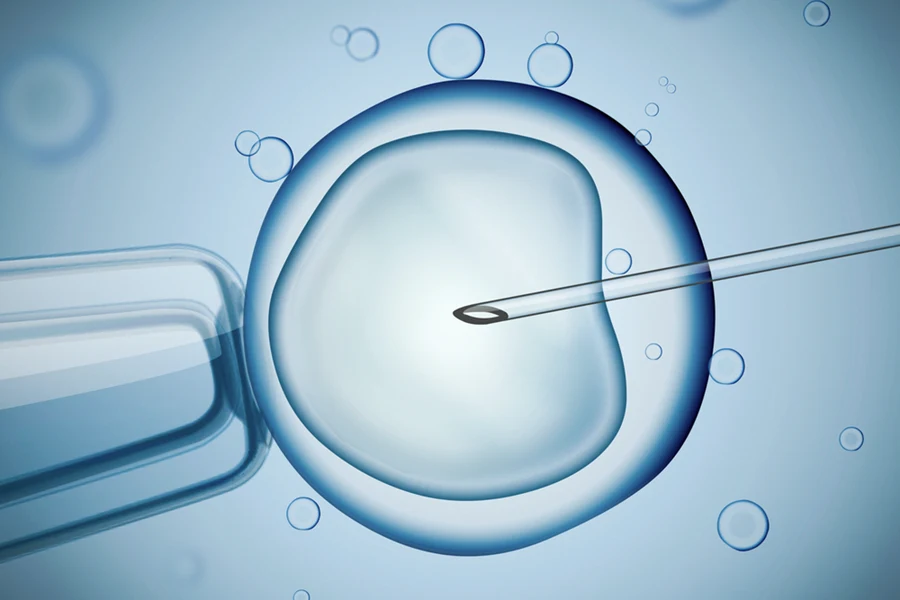
In Vitro Fertilization (IVF)
When Should You See a Doctor About Infertility?
You should consider seeing a healthcare provider if:
- You have tried to become pregnant for one year without success
- The woman is 35 or older and has tried for six months
- There are known reproductive health problems
- Menstrual cycles are irregular or absent
- There are known sperm problems
Early evaluation can help identify possible causes and guide treatment.
Key Takeaways
- Infertility is defined as not getting pregnant after 12 months of trying (or 6 months if the woman is over age 35).
- Infertility can involve male factors, female factors, both partners, or unexplained causes.
- Common causes include ovulation disorders, male sperm problems, and damage to the reproductive organs.
- Treatments may include medications, surgery, or assisted reproductive technologies such as IVF.
- Many people with infertility can successfully build families with medical care.
Frequently Asked Questions About Infertility
What is infertility?
Infertility is the inability to become pregnant after one year of regular unprotected sex. Women over age 35 are usually evaluated after six months.
Is infertility only a woman’s problem?
No. Infertility can involve the male partner, the female partner, or both partners.
What is the most common cause of infertility?
Common causes include ovulation problems, sperm disorders, and damage to the fallopian tubes.
Can infertility be treated?
Yes. Many cases of infertility can be treated with medications, surgery, or assisted reproductive technologies such as IVF.
Does stress cause infertility?
Stress, especially extreme physical or emotional stress, may contribute to infertility by affecting your body’s ability to maintain natural functions such as ovulation. While infertility itself is very stressful, experts recommend finding ways to protect your well-being and ease the emotional strain during treatment.
Written by: Dayna Smith MD | Reviewed: March 8th, 2026 | Copyright: myObMD, 2026

References
Centers for Disease Control and Prevention (CDC). Infertility FAQs.
https://www.cdc.gov/reproductive-health/infertility-faq/index.html
National Institute of Child Health and Human Development (NICHD). Infertility and Fertility.
https://www.nichd.nih.gov/health/topics/infertility
American Society for Reproductive Medicine (ASRM). Infertility Overview.
https://www.reproductivefacts.org